
Explore the stories, technologies and achievements that make Tempur-Pedic® the most highly recommended mattress brand in America*.
Explore the stories, technologies and achievements that make Tempur-Pedic® the most highly recommended mattress brand in America*.
— by Tempur-Pedic on Nov 3, 2026
Sleep posture can influence breathing, quality of sleep, how your body feels, and certain health conditions (“What Is the Best Sleeping Position,” Sleep Foundation, 2025). The best sleeping position is one that feels comfortable while promoting healthy spinal alignment.
Whether you sleep on your side, back, stomach, or in multiple positions, understanding how sleep posture affects the body may help you create a more comfortable and supportive sleep environment. Please note, the considerations provided in this article are intended as general shopping guidance rather than clinical requirements. Mattress comfort and support preferences vary by individual. If you have a specific health concern, please speak with a qualified professional for personalized recommendations.
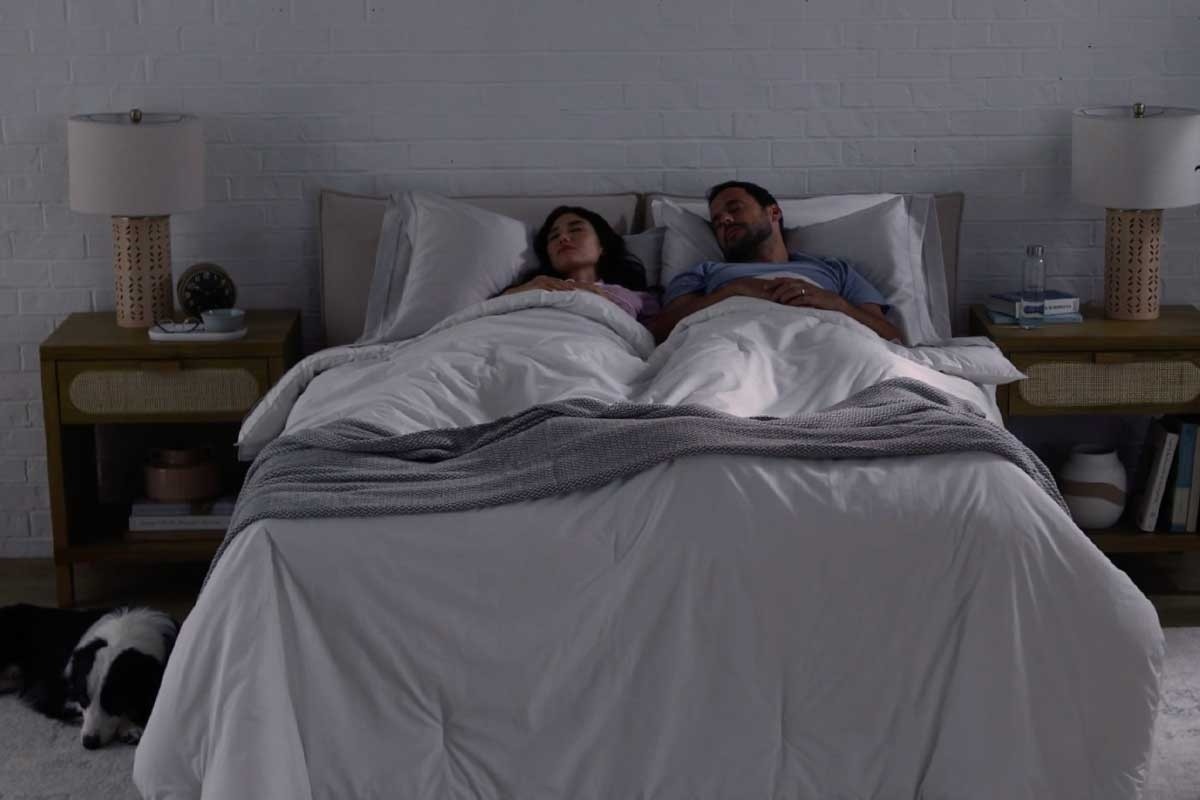
During sleep, the body works to restore and repair itself. The goal of a supportive sleep position is to maintain neutral spinal alignment, which generally means keeping the ears, shoulders, and hips in a relatively straight line to minimize mechanical stress on the joints and ligaments (“The Science of Sleep: A Physical Therapist’s Guide to the Best Sleeping Positions,” Confluent Health, 2026).
Sleep position may also affect breathing, heartburn, and certain types of pain. However, no single sleep position is right for everyone. Personal comfort, individual health considerations, and existing symptoms may all influence which position feels best (“Choosing the Best Sleep Position”, Johns Hopkins Medicine, 2025; “What Is the Best Sleeping Position,” Sleep Foundation, 2025).
Side sleeping is the most common sleep position among adults, with more than 60% of adults estimated to sleep on their side.
When side sleeping, maintaining a straight, neutral line from the neck through the hips may help support neutral spine positioning and reduce aches and pains. A properly sized pillow can fill the space between the head and mattress, helping prevent the neck from bending too far upward or downward and becoming misaligned.
Because side sleeping may place additional pressure on the shoulders and hips, side sleepers may prefer a mattress with enough cushioning and conformance to help limit excess impact in these areas (“What Is the Best Sleeping Position, Sleep Foundation,” 2025). Placing a pillow between the knees may also help keep the hips aligned, limit pelvic rotation, and reduce pressure on the lower back ("The Science of Sleep: A Physical Therapist’s Guide to the Best Sleeping Positions,” Confluent Health, 2026).
What Side Sleepers May Consider in a Mattress:
When lying on your back, it may be easier to maintain spinal alignment and distribute body weight evenly across the sleep surface (“The Science of Sleep: A Physical Therapist’s Guide to the Best Sleeping Positions,” Confluent Health, 2026). Though this position is often recommended, back sleeping may not be appropriate for everyone. For some people, this position may contribute to snoring, obstructive sleep apnea symptoms, or acid reflux. Some people with back or neck pain may also find that another position is more comfortable (“Choosing the Best Sleep Position, 2025").
Some back sleepers may find that placing a thin pillow under the knees or lower back helps reduce stress in the lumbar area and supports the natural curve of the spine (“What Is the Best Sleeping Position,” Sleep Foundation, 2025). Johns Hopkins Medicine also notes that a bolster or pillow supporting the legs may help ease lower-back discomfort.
What Back Sleepers May Consider in a Mattress:
Stomach sleeping is the least common sleep position and may strain the neck and lower back. Because stomach sleepers generally turn their heads to one side, this position may move the neck out of alignment with the rest of the spine.
People who prefer stomach sleeping may consider using a very thin pillow, or no pillow, beneath the head to reduce the upward angle of the neck. Placing a thin or flat pillow beneath the hips or pelvis may also help limit excessive arching in the lower back “What Is the Best Sleeping Position,” Sleep Foundation, 2025; “The Science of Sleep: A Physical Therapist’s Guide to the Best Sleeping Positions,” Confluent Health, 2026).
What Stomach Sleepers May Consider in a Mattress:
Mattress support and sleep position often work together to influence comfort and alignment. A mattress that does not provide appropriate support may make it more difficult to maintain a comfortable sleep posture. Research summarized by Confluent Health also indicates that medium-firm mattresses may offer a balance of support and pressure relief for people experiencing back pain (“The Science of Sleep: A Physical Therapist’s Guide to the Best Sleeping Positions,” 2026).
When selecting a mattress, consider your primary sleep position alongside your health needs and personal comfort preferences.
TEMPUR-Material® was created to adapt to a sleeper’s unique weight, shape, and temperature while providing support and pressure relief. As the sleeper moves or changes positions, TEMPUR-Material® is designed to continue conforming to the body’s posture, though features, materials, and performance characteristics vary by mattress model and collection.
A Note from Tempur-Pedic®: We love sharing tips to help you achieve better sleep. While we strive to provide objective, industry-standard insights, we also design and manufacture products to address specific sleep challenges.
This content is for informational or general educational purposes only and does not constitute individualized advice. It is not intended to replace professional medical evaluation, diagnosis, or treatment. Always seek the advice of your physician for questions you may have regarding your sleep quality and overall health.
What is the best sleep position to help reduce snoring?
Sleeping on your side or sleeping on your back with slight elevation is often recommended to help positional snoring; however, some conditions may need the advice of a doctor. Always use your best judgement and get treatment from a qualified professional when necessary.
How can I make side sleeping more comfortable?
Finding a mattress that offers exceptional pressure relief may help make side sleeping more comfortable. You can also try placing a pillow between your legs to reduce strain on your lower back.
How can I make back sleeping more comfortable?
Finding a mattress that offers exceptional support may help make back sleeping more comfortable. You can also try placing a pillow behind your knees to reduce strain on your lower back.
“What Is the Best Sleeping Position?” July 25, 2025. Published by Sleep Foundation. Read the article. Full URL: https://www.sleepfoundation.org/sleeping-positions Sleep Foundation discusses common sleep positions and choices that may help relieve back pain and sleep apnea symptoms.
"The Science of Sleep: A Physical Therapist’s Guide to the Best Sleeping Positions.” March 2, 2026. Published by Confluent Health. Read the article. Full URL: https://confluenthealth.com/resources/guide-to-the-best-sleeping-positions Confluent Health discusses different sleep positions, who they’re good for, and tips to improve sleep.
"Choosing the Best Sleep Position.” October 6, 2025. Published by Johns Hopkins Medicine. Read the article. Full URL: https://www.hopkinsmedicine.org/health/wellness-and-prevention/choosing-the-best-sleep-position Johns Hopkins discusses picking a sleep position based on health concerns and comfort.
You’re using an unsupported web browser.
A list of the most popular browsers can be found below. Just click on an icon to visit the download page.
Your phone or tablet is using software unsupported by our website. To improve your shopping experience, please update your device to the latest version of iOS or Android OS.


